Professional Portfolio
of William Siebold
As an educator committed to academic excellence and innovation, I recognize generative artificial intelligence (GenAI) as a transformative catalyst for engineering the future of higher education. I support a dynamic classroom environment where students are empowered to take ownership of their learning and develop the critical thinking skills necessary for a rapidly evolving world. ~ William Siebold
GenAI in Higher Education
The rapid advancement and widespread adoption of GenAI represent a significant inflection point for society at large, and for higher education specifically. By integrating these tools thoughtfully into the learning environment, my goal is to:
Enhanced Inquiry
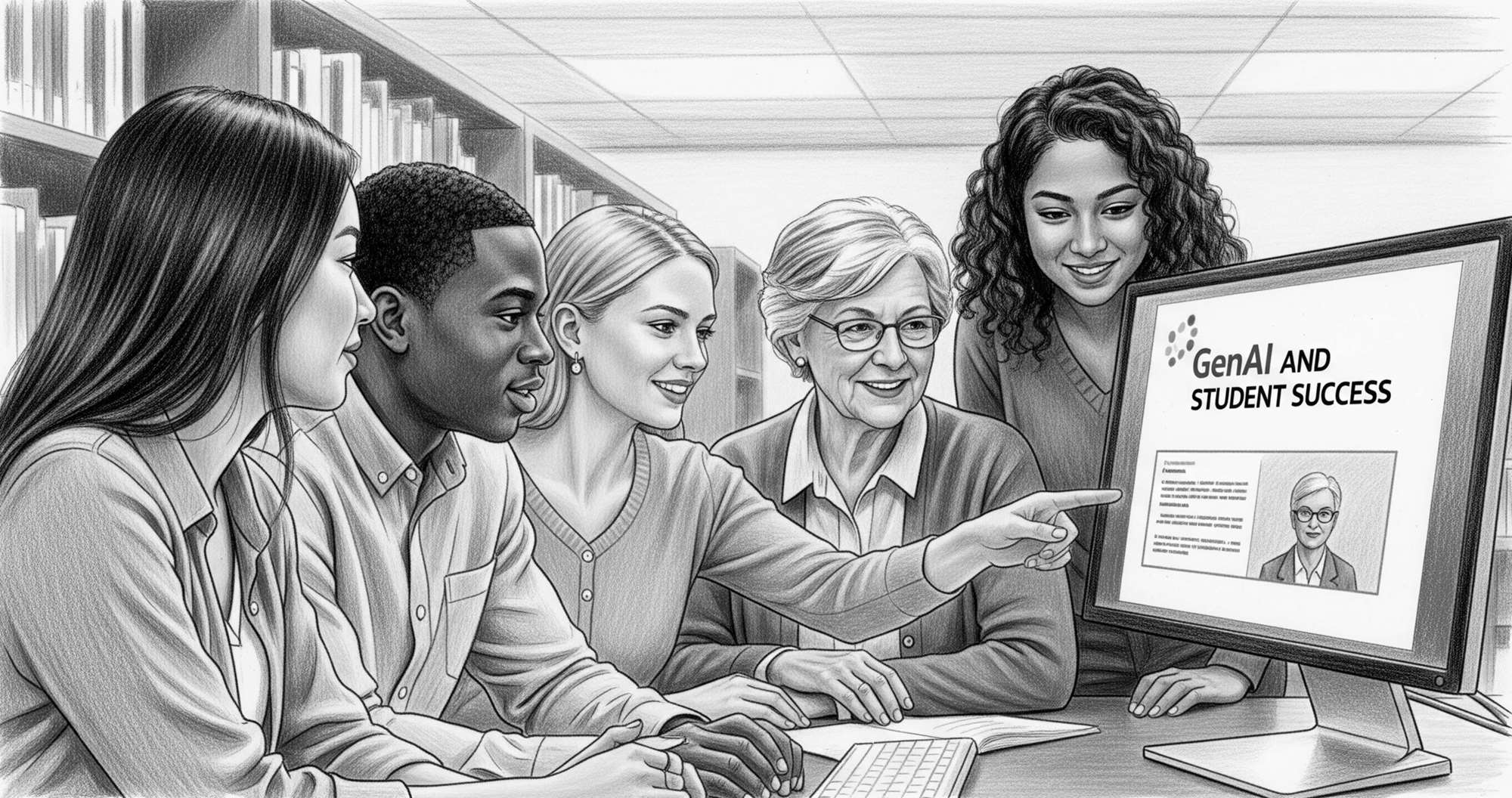
Utilizing AI to facilitate deeper questioning, rapid prototyping of ideas, and complex problem-solving.
Personalized Learning

Engineering adaptive educational experiences that meet students at their individual levels of readiness and interest.
Future Ready Literacy
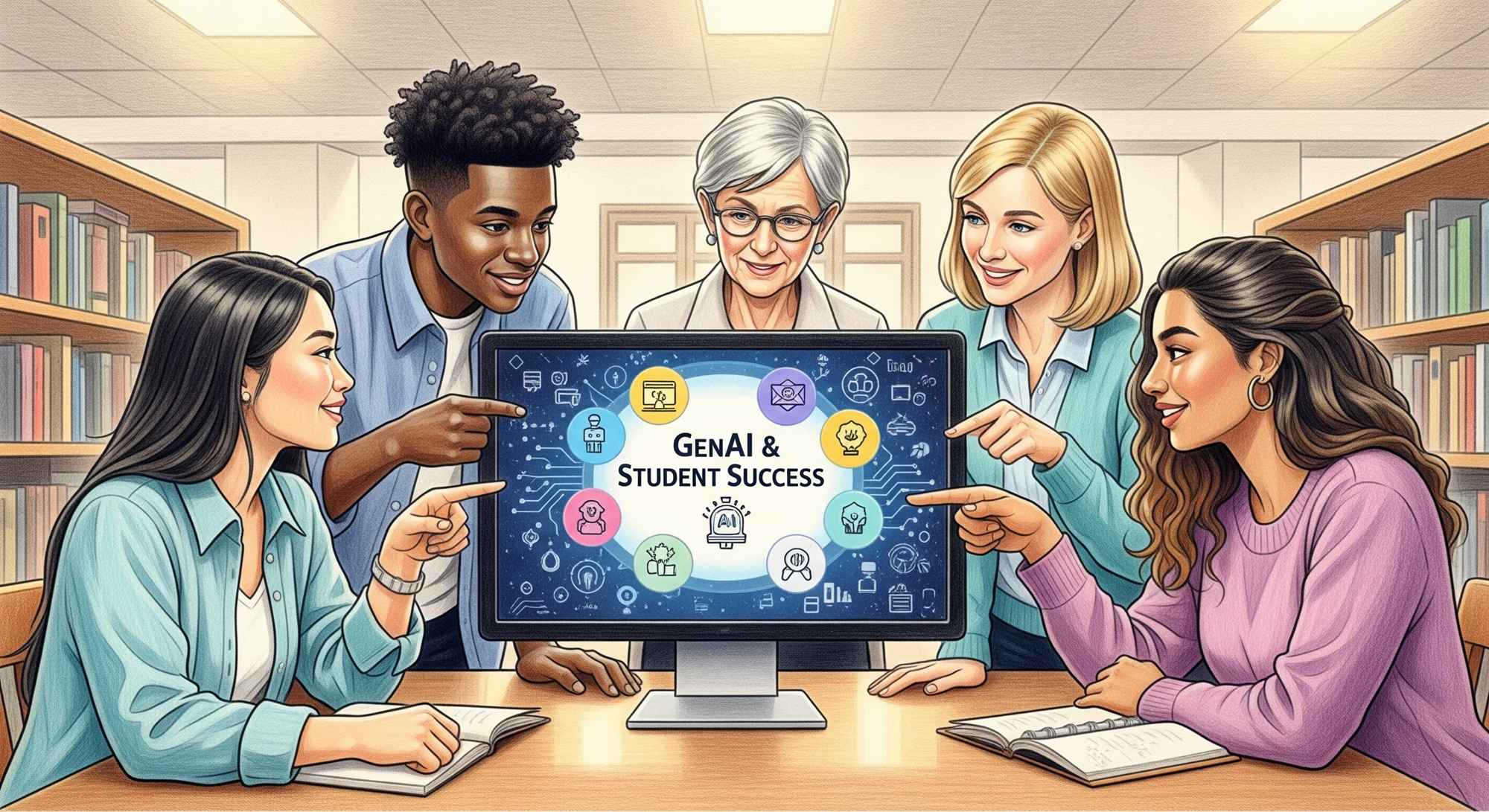
Preparing students to critically engage with and ethically lead in a workforce increasingly defined by human-AI collaboration.
Faculty Focus
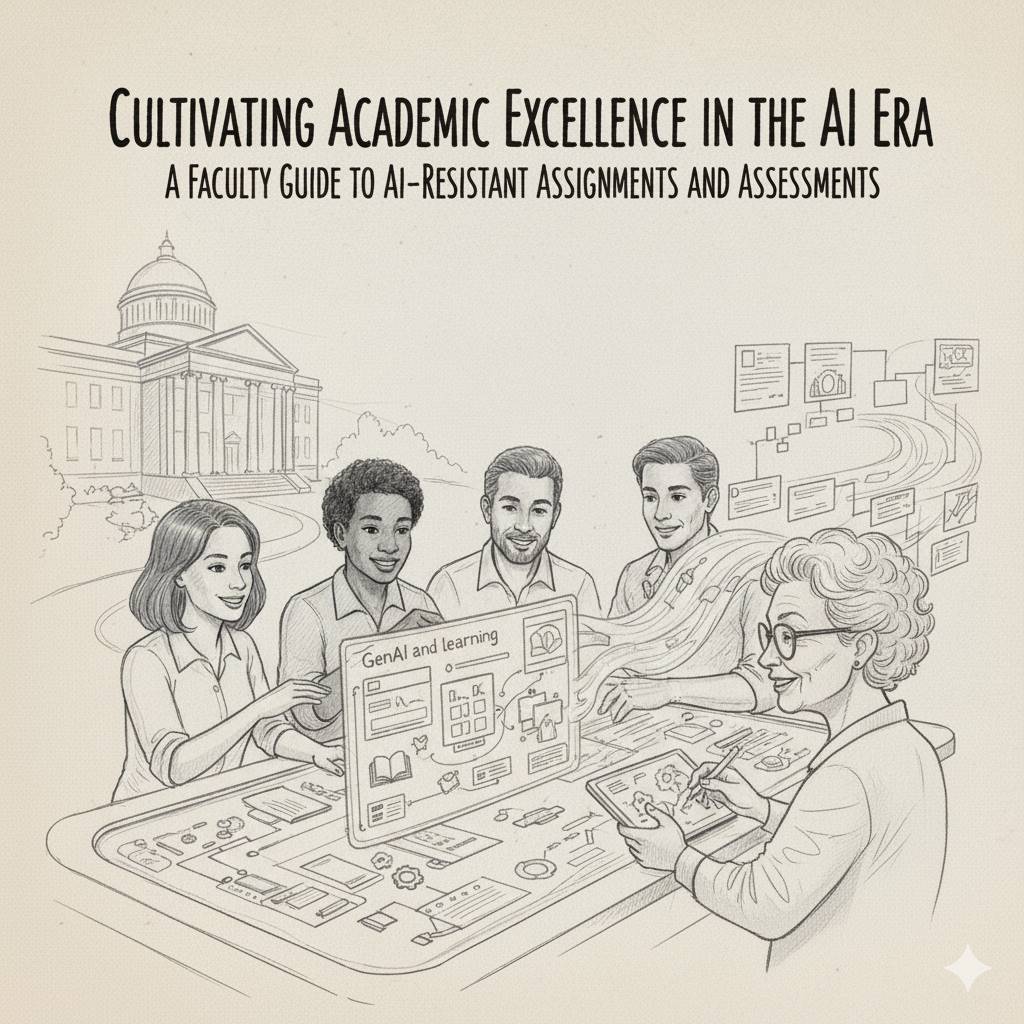
Equipping faculty with the confidence, pedagogical strategies and practical tools to lead the conversation about GenAI in the classroom.
Moving instruction from a reactive stance of policing and prohibition to a proactive strategy of guiding students toward responsible, ethical and effective use of these new powerful tools.
NWCCU on Gen AI
Executive Summary: NWCCU Strategic Posture on AI in Higher Education
The Northwest Commission on Colleges and Universities (NWCCU) approaches Artificial Intelligence (AI) in higher education with a nuanced understanding, recognizing its profound potential to reshape the academic landscape. The Commission acknowledges AI as a force capable of eliciting both "terrifying ruin or breathtaking advancement".
Consequently, its strategy is characterized by a dual emphasis: embracing AI's transformative capabilities while rigorously advocating for its responsible, ethical, and human-centered integration.
NWCCU's guidance is underpinned by core principles of transparency, equity, academic integrity, student privacy, and the cultivation of AI literacy across all institutional stakeholders.
While NWCCU does not issue a single, prescriptive "roadmap" document for AI adoption, it actively provides a comprehensive framework through extensive educational programming, specialized workshops, and the implicit application of its existing accreditation standards.
This multifaceted guidance focuses on fostering AI literacy, establishing ethical governance, and promoting diligent data stewardship, thereby equipping institutions to navigate the complexities of AI integration effectively and equitably.
Top-level Qualifications
13 yrs faculty development and new faculty orientation
13 yrs Director Math and Natural Sciences
11 yrs Director Web Design & Interactive Media
10 yrs Director Sustainable Design
6 yrs Director Visual & Game Programming
Digital Technology since 1982
Learning management system training
Teaching across curriculum: science, math, humanities, ethics, writing, design
5 NWCCU accreditation reports / 15 institutional effectiveness cycles
Philosophy & Practice
My teaching philosophy centers on empathy and connection, being mindful of the needs and desires of my students. I leave my ego at the door. I am genuinely interested in how my students live and work and thrive in their respective worlds. Teaching and learning is all about how each individual receives, processes, stores and recalls information. It is about how people create knowledge from their own culturally and socially significant place in the world.
"Teaching and learning is more than content transfer. It is a profound conversation between people. As a teacher, my goal is to positively influence individuals who are intentionally creating change in their lives. My job is to provide the safe haven necessary for people to reach beyond their own expectations and achieve."
My teaching practice centers on consistency, accessibility and accountability. I provide the structure—the path—that allows each student to move forward. I provide timely feedback on assignments, with effective and compassionate critique. I clearly communicate my expectations of myself as teacher and my students as members of the learning community. I adapt in real-time, when appropriate, to ensure the best possible learning experience. I hold myself accountable for the learning experience.
Service to College Community
Thirteen Years Chair Faculty Development
Thirteen Years Chair New Faculty Orientation
Ten Years Co-Chair Student Success and Retention
Twelve Years Member Academic Affairs Committee
Twelve Years Member Curriculum Committee